Business rooftop · Cape Cod
22 panels weren't making power.
What we foundTwo groups of 11 panels were warmer than everything around them. In daylight they look exactly like the rest.
What we recommendedThose panels are likely disconnected from the inverter. Have the installer check those two circuits first.


Private residence · Cape Cod
One cell running hot.
What we foundOne small square on one panel was much hotter than anything else on the roof. It showed up from every angle we flew, so it isn't a reflection.
What we recommendedA hot spot like this gets worse over time. Have the installer look at that panel while it's still under warranty.


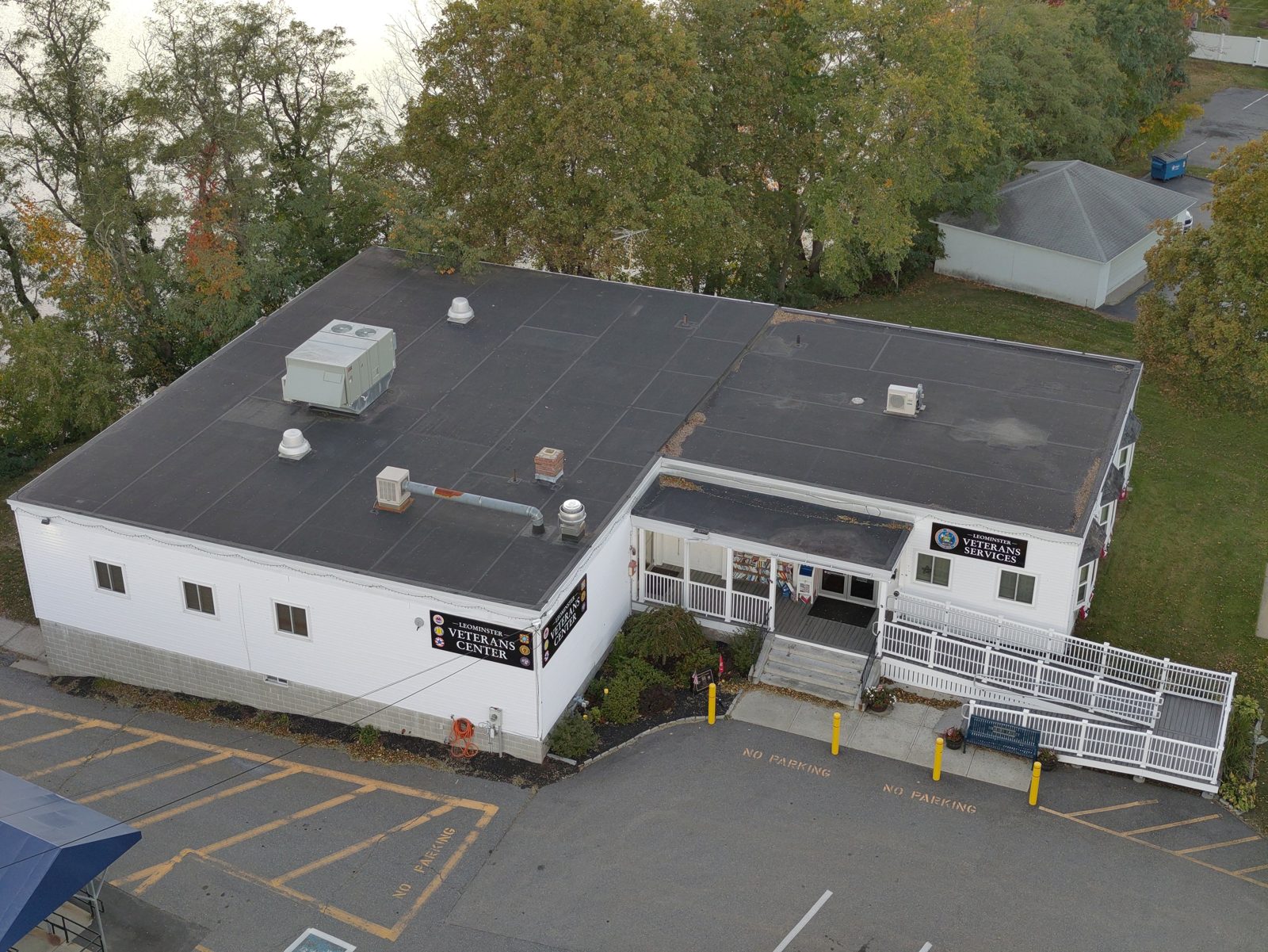
VFW Post 1807 · porch roof
A wet spot you can't see from the ground.
What we foundAfter sunset, part of the porch roof stayed warm while the rest cooled off. Wet insulation holds heat like that.
What we recommendedHave a roofer take a small core sample there to confirm. Fixing it now costs far less than a new roof later.